
Energy-Matter Catalysis Lab
Our group explores how electric fields, light, and plasma drive molecular transformations at dynamic electrochemical interfaces. By integrating mechanistic insight with materials design, we aim to establish new catalytic routes for carbon, nitrogen, oxygen, and hydrogen transformations central to sustainable energy and environmental technologies.
Controlling molecular transformation at catalytic interfaces

Electrocatalysis
Electrocatalytic systems for water electrolysis, CO₂ conversion, ammonia electrolysis, wastewater treatment, fuel cells, and metal–air batteries

Plasmonics
Harnessing light–matter interactions to reshape local fields, charge dynamics, and interfacial reaction pathways.

Chirality
Chirality-induced spin selectivity
as a new handle to control electron transfer
and reaction selectivity
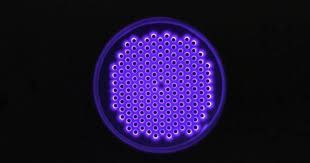
Plasma
Coupling plasma-generated reactive species with electrochemical interfaces for non-equilibrium molecular activation.
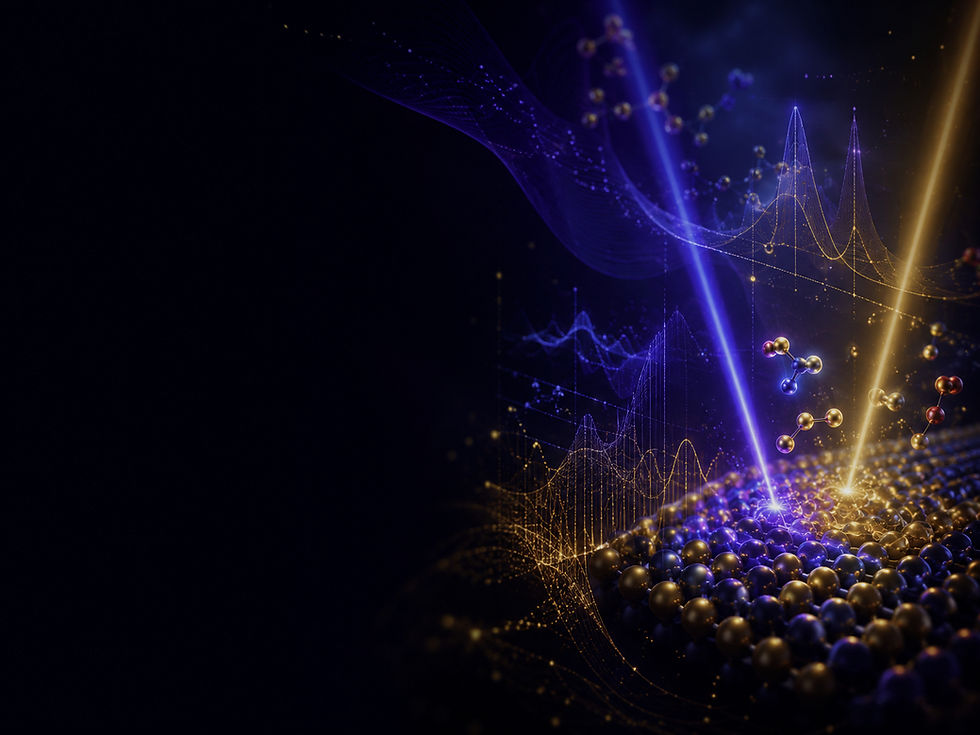
In-situ analysis
In situ and operando analysis to track surface reconstruction, intermediate evolution, and structure–activity relationships during catalysis
From atomic-scale understanding to real-world technologies
We aim to establish catalytic principles that connect atomic-scale structure, interfacial dynamics, and molecular transformation. By controlling how energy interacts with matter at catalytic interfaces, we seek to develop sustainable technologies for fuels, chemicals, water, and the environment.
Atoms → Interface → Catalytic system → Applications